Sub-Saharan Africa
Sub-Saharan Africa has contributed the least to the global accumulation of greenhouse gas emissions, but is the most vulnerable to the impact of climate change. A number of actors are involved in adaptation, mitigation and REDD activities within the region, although mitigation projects dominate current activity. Latin America Latin America is both a source of, and a sink for, carbon emissions. Overall, the number of climate change related initiatives across Latin America is increasing. However, finance is concentrated in a small number of countries, and in general financing for adaptation remains limited. | Asia and the Pacific
Asia has received the most international climate finance to date, largely for mitigation activities. China and India both receive and spend the largest amount of climate finance globally, whereas the region’s most vulnerable countries,particularly the small Pacific Island states, receive very little funding. Middle East and North AfricaThe countries of the Middle East and North Africa
(MENA) are highly vulnerable to the impacts of climate
change, but share some responsibility for the global
accumulation of greenhouse gas emissions, as their
emissions are very high when considered on a per
capita basis. Interest in renewable energy development in the region is growing, however, and countries such as the UAE and Morocco seek to position themselves as global leaders in clean technology. |
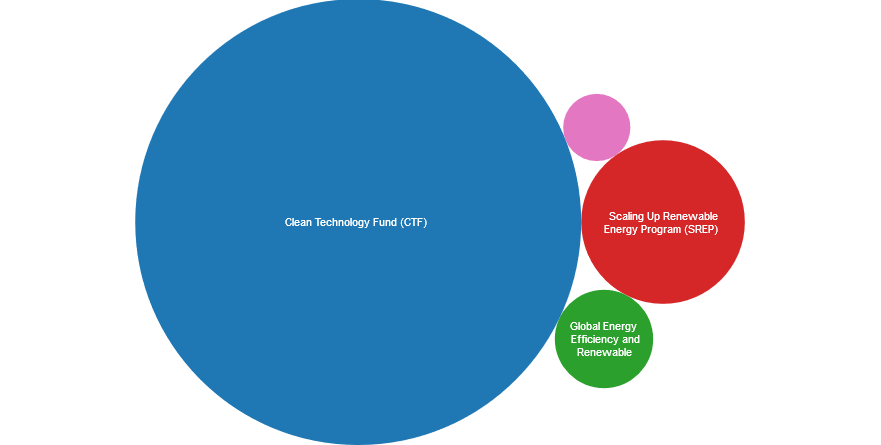
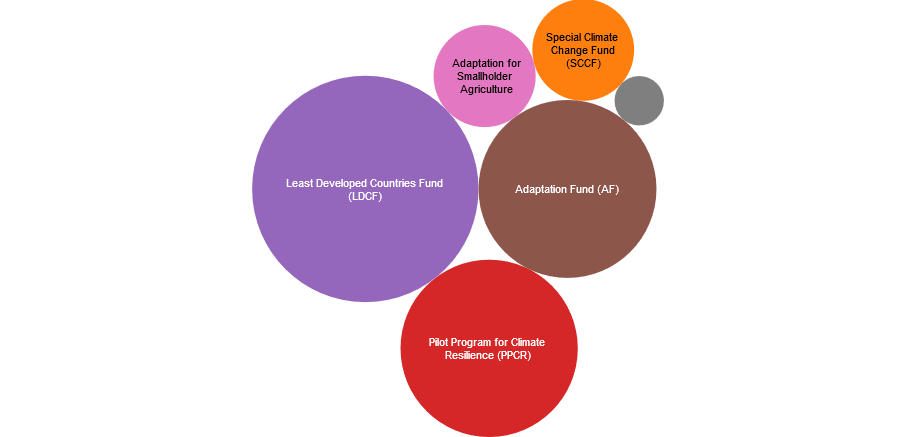
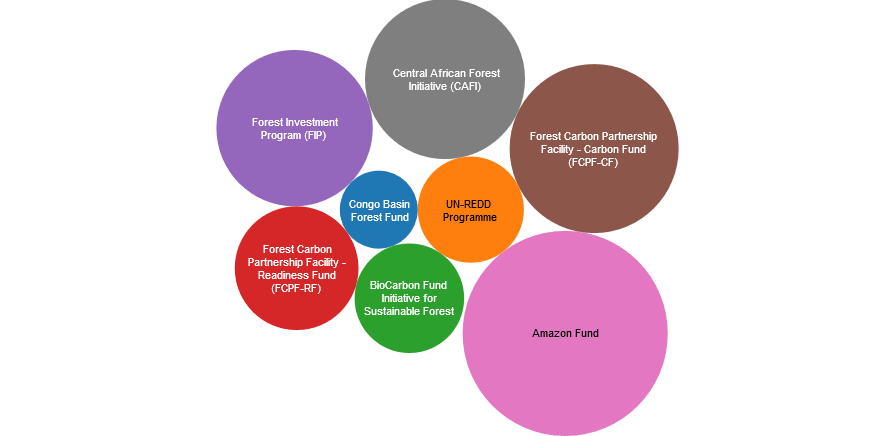
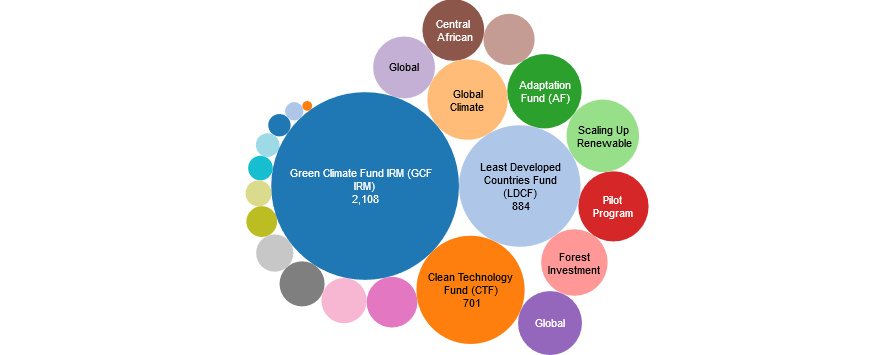
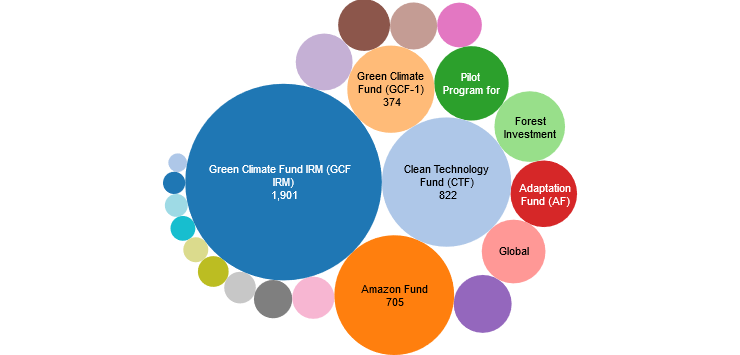
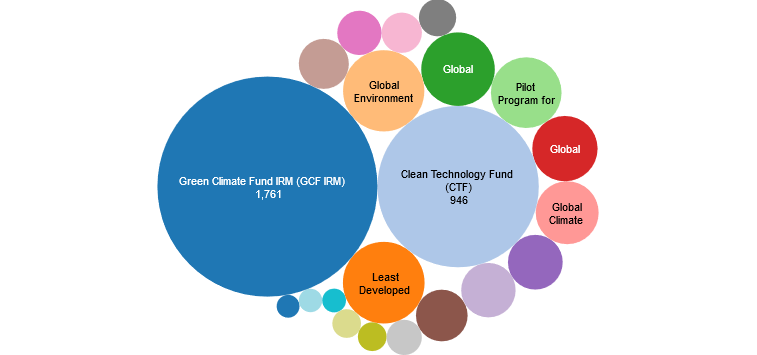
Approved project spending by region
Recreate this data in the CFU Data dashboard:
Top level tab: 'Where the money is spent'.
Second-level tab: 'Current funding'. Group data by: 'Region'. Selections: 'Status = Approved'
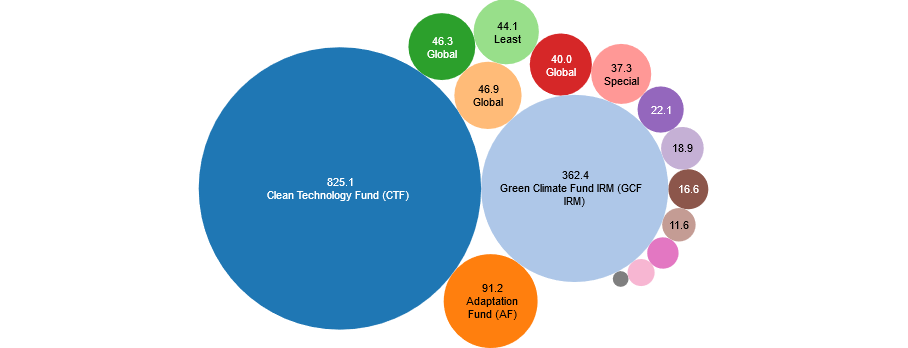
Approved project spending by country income level
Recreate this data in the CFU Data dashboard:
Top level tab: 'Where the money is spent'.
Second-level tab: 'Current funding'. Group data by: 'Country income level'. Selections: 'Status = Approved'


Latin America