Summary
The International Climate Fund (ICF) is the primary channel of UK climate change finance. It became operational in 2011, as an outcome of the Spending Review 2010, and replaced the Environmental Transformation Fund (ETF). The ICF is designed to help developing countries adapt to climate change, embark on low carbon growth and tackle deforestation.
Basic Description
|
Name of Fund |
The International Climate Fund (ICF) |
|
Official Fund Website |
www.decc.gov.uk/en/content/cms/tackling/international/icf/icf.aspx |
|
Date Created |
Date fund proposed: 2010 |
|
Proposed Life of Fund |
2011-12 to 2014-15 |
|
Administrating Organisation |
The ICF is managed by a high level cross-departmental project team with representation from the Department for International Development (DFID), the Department for Environment and Climate Change (DECC), the Finance Ministry (Her Majesty’s Treasury), The Department for Environment, Food and Rural Affairs (DEFRA), and the Foreign and Commonwealth Office (FCO). |
|
Objectives
|
The ICF aims to drive urgent action to tackle climate change by supporting low carbon growth and adaptation in developing countries. Specifically, the ICF has three objectives: 1. Demonstrate that low-carbon, climate resilient growth is not only feasible, but desirable; 2. Support international climate change negotiations; and 3. Recognise that climate change offers new opportunities for private sector partnerships, innovation, and sustainable development. These priorities have thematic foci on adaptation, low-carbon development, and forestry projects. |
|
Activities Supported |
Activities supported by the ICF include:
The ICF also supports strategic initiatives such as the
Climate Public Private Partnership (CP3) and the Capital Markets Climate
Initiative (CMCI). Both aim to catalyse private investment and climate
finance flows to developing countries. |
|
Conditions & Eligibility |
ICF funds are usually channelled through global multilaterally administered programs rather than towards specific country initiatives. Principles guiding ICF expenditure include: 1. Consistency with the DAC definition of ODA; 2. Consistency with UK agreements on aid effectiveness (under the Paris Declaration); 3. Open and transparent project performance; 4. Choice of instrument; and 5. Appropriate enabling environment. |
|
Accessing the Fund |
Proposals for ICF expenditure will be prepared for Ministers by an ICF Board comprising of Directors General from DECC, DFID, FCO, DEFRA and Her Majesty’s Treasury (HMT). Ministerial decisions on the ICF are guided by the international climate change strategy agreed by the National Security Council, the outcome of DFID’s Bilateral and Multilateral Aid Reviews and the strategy set by the cross Whitehall International Climate Change Programme Board. |
Fund Governance
|
Decision Making Structure |
The ICF Board consists of representatives from DFID, DECC, DEFRA, the Foreign and Commonwealth Office, and HM Treasury. |
|
Non-Government Stakeholder Participation |
Although there was no formal non-government stakeholder participation in designing the ICF, there were early consultations with numerous civil society and research groups in the UK. The ICF also discusses building capacity amongst local stakeholders, and contributes to research initiatives such as the Climate and Development Knowledge Network. |
|
Information Disclosure |
The UK released a report relating to its Fast Start Finance in November 2011. This report included a list of projects for which funds had been ‘spent and committed’. |
|
Issues Raised |
|
Relationship with Official Development Assistance
|
Inclusion as Official Development Assistance? |
Yes. |
|
Financial Instrument/ Delivery Mechanism Used (e.g. grant, loan) |
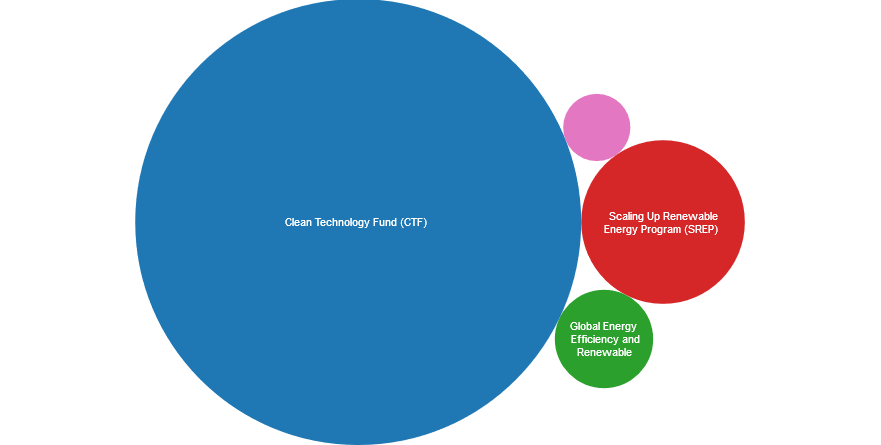
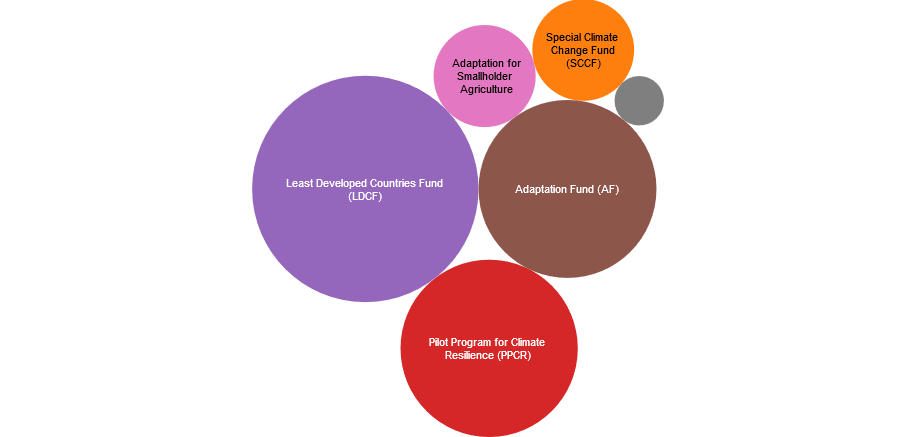
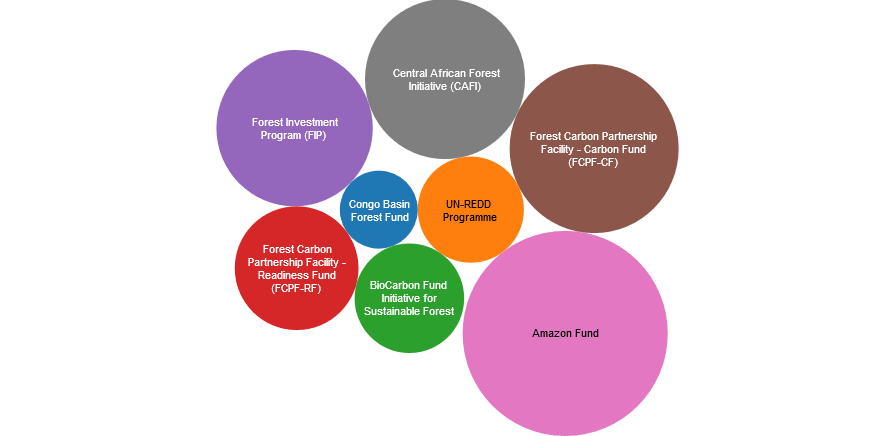
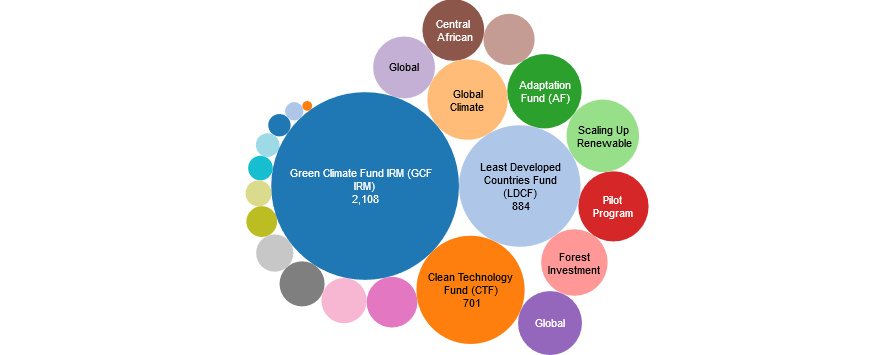
The ICF's funding portfolio is split between capital contributions/concessional loans and grant finance. The majority of contributions to multilateral funds (CIFs, etc.) are in the form of concessional capital. Grants are used primarily as a mechanism for bilateral contributions. |
|
Nature of Recipient Country Involvement |
The ICF is designed to be responsive to country needs and well integrated into countries’ own sustainable development plans and strategies. |